Mental Fortitude Training Through Cold Immersion
```html
The Physiology of Cold Exposure and Stress Adaptation
When the body is submerged in cold water, it undergoes an immediate physiological reaction. Blood vessels constrict, redirecting flow toward vital organs to preserve core temperature—a survival mechanism known as vasoconstriction. Heart rate and breathing quicken as the sympathetic nervous system activates, releasing adrenaline and norepinephrine. Over time, repeated exposure teaches the body to moderate these responses, enhancing stress resilience. Studies suggest that regular cold immersion can lower baseline cortisol levels, helping individuals manage everyday stressors more effectively. This biological adaptation forms the foundation for mental fortitude.
Building Mental Resilience Through Controlled Discomfort
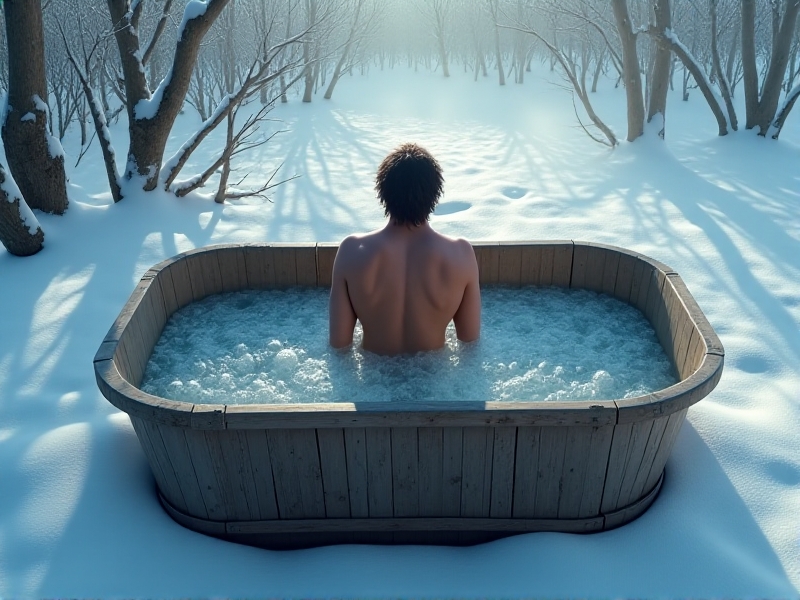
Cold immersion is a masterclass in embracing discomfort. The initial shock triggers a fight-or-flight response, but deliberate practice cultivates calm under pressure. By focusing on breath control—slow, deep inhalations and extended exhales—participants learn to override panic. This mirrors high-stakes scenarios where emotional regulation is critical. Navy SEALs and mindfulness experts alike emphasize the value of leaning into discomfort to build grit. Over time, the mind reframes cold exposure from a threat to a challenge, fostering a growth mindset applicable to personal and professional hurdles.

Cold Immersion Techniques: From Showers to Ice Baths
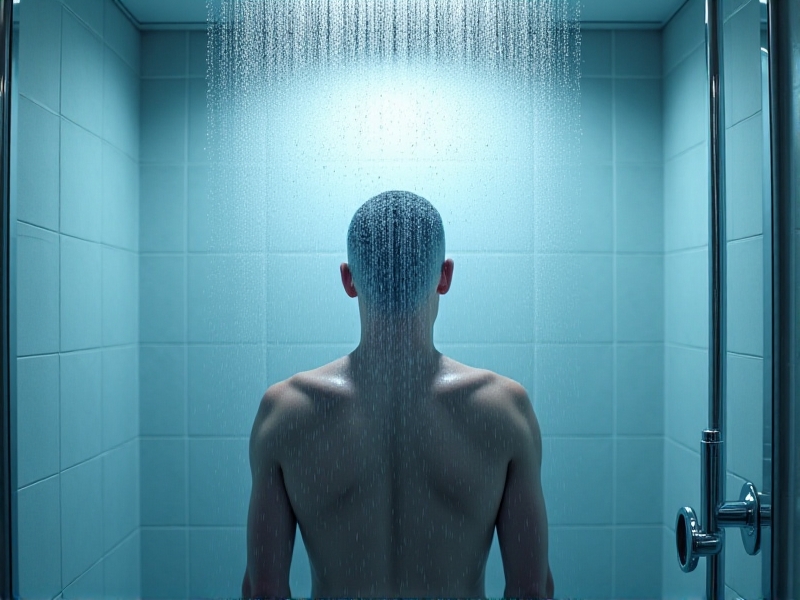
Beginners can start with 30-second cold showers, gradually increasing duration as tolerance builds. For advanced practitioners, outdoor ice baths or winter swimming offer deeper challenges. Key techniques include:
- Gradual Temperature Reduction : Lower water temperature by 1-2°C weekly
- Box Breathing : Inhale 4s, hold 4s, exhale 6s to maintain composure
- Post-Cold Rewarming : Natural shivering followed by light exercise
Consistency matters more than intensity—daily 2-minute cold showers yield better long-term results than sporadic extreme sessions.
Neurochemical Benefits: How Cold Boosts Brain Function
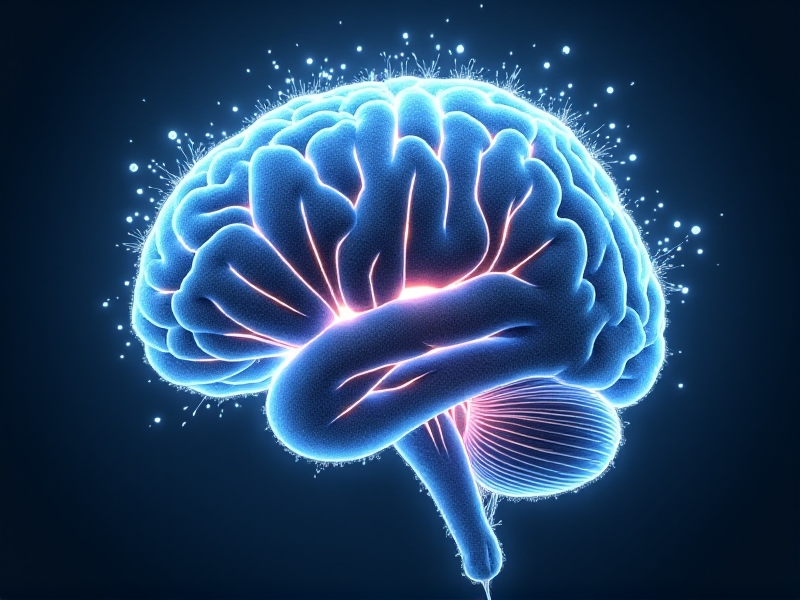
Research reveals cold exposure increases norepinephrine production by up to 530%, enhancing alertness and mood. This neurotransmitter improves focus and decision-making—critical for high-performance environments. Additionally, cold stimulates vagus nerve activity, which governs the parasympathetic nervous system. A 2023 University of Oslo study found participants who practiced cold immersion scored 17% higher on cognitive flexibility tests than controls. The "brain freeze" moment becomes a neurological reset button, clearing mental fog through targeted stress.
Historical and Modern Applications of Cold Therapy
Vikings plunged into frozen lakes to prepare for battle; samurai practiced Misogi purification rituals under waterfalls. Today, elite athletes like ultrarunner Wim Hof use cold immersion to recover from 100-mile races. NASA now studies cold adaptation for Mars missions, where temperatures average -62°C. These cross-cultural and temporal examples highlight cold’s universal role in human resilience training. Modern spas offer cryotherapy chambers, but the core principle remains unchanged: voluntary exposure to controlled adversity builds unshakeable confidence.
Safety Protocols and Avoiding Hypothermia Risks
Never practice cold immersion alone. Follow these guidelines:
| Water Temp | Maximum Duration |
|---|---|
| 10-15°C (50-59°F) | 10-15 minutes |
| 5-10°C (41-50°F) | 5-10 minutes |
| <5°C (41°F) | 2-5 minutes |
Exit immediately if experiencing numbness, confusion, or slurred speech. Always warm gradually—avoid hot showers post-exposure to prevent circulatory shock.
Integrating Cold Training into Daily Mental Fitness
Pair morning cold showers with meditation to compound focus benefits. Use immersion as a “circuit breaker” when feeling emotionally overwhelmed—submerge your face in ice water for 30 seconds to activate the mammalian dive reflex, slowing heart rate by up to 25%. Over months, this practice reconditions your stress response, making challenges feel manageable rather than insurmountable. As philosopher Seneca noted: “Difficulties strengthen the mind, as labor does the body.” Cold immersion is the whetstone for modern mental toughness.